01
Financial website development
Fast, secure websites built for trust, performance, and complex content needs. We create digital foundations that support growth without becoming harder to manage.
FAST MODERN WEBSITES
We design and build secure, high-performance websites, portals, dashboards, and content platforms for fintechs, financial SaaS teams, investment firms, and regulated financial organizations. Built for trust, performance, and long-term scalability.
• Secure client portals and dashboards • Compliance-ready delivery approach • Fast, scalable websites for financial teams




We work with financial organizations that need strong digital foundations, clear user experience, and secure delivery.


Digital experiences built around trust, performance, and clear communication of complex offers.

Websites, dashboards, and portals that support product growth, customer education, and operational efficiency.

Secure, scalable digital platforms designed around user trust, compliance needs, and connected systems.

Websites and platforms for fast-moving teams launching products, onboarding users, and scaling content.
Our delivery approach is transferable. Tell us what you’re building and the rules you must follow - we’ll propose the right plan.
We create websites that make complex offers easier to understand, support credibility from the first visit, and help users take the next step with confidence.
We build portals for account access, reporting, onboarding, and user-specific content, designed around security, clarity, and ease of use.
From reporting interfaces to workflow tools, we design and develop platforms that help teams work with sensitive data more effectively.
We create CMS-driven setups that help marketing and product teams publish quickly while keeping governance, structure, and consistency under control.
We connect websites and applications with CRM, analytics, identity providers, finance APIs, marketing tools, and internal systems using reliable integration patterns.
We create websites that make complex offers easier to understand, support credibility from the first visit, and help users take the next step with confidence.

See how teams like yours choose CMS stacks
Get CMS for Modern Web in 2026 with fintech, SaaS and e-commerce examples.
Services
01
Fast, secure websites built for trust, performance, and complex content needs. We create digital foundations that support growth without becoming harder to manage.
FAST MODERN WEBSITES02
We build portals, dashboards, and workflow tools for teams handling sensitive data, complex permissions, and high-value user journeys.
WEB DEVELOPMENT SOLUTIONS03
We design clearer navigation, stronger information hierarchy, and more effective user journeys for complex products and services.
WEB DESIGN SERVICES04
We improve onboarding, authentication, dashboards, forms, and account-management flows so users can complete key tasks with less friction.
UX/UI DESIGN SERVICES05
We build flexible content platforms for multi-site, multi-language, and fast-evolving financial teams that need speed, governance, and long-term maintainability.
HEADLESS CMS DEVELOPMENTFast, secure websites built for trust, performance, and complex content needs. We create digital foundations that support growth without becoming harder to manage.
FAST MODERN WEBSITESWe combine modern web delivery with the clarity and discipline financial projects need.

You get direct answers, clear trade-offs, and a delivery approach that fits real business constraints.

We treat privacy, auditability, and platform resilience as core requirements, not optional extras.

We build websites and platforms that stay fast, stable, and easier to improve over time.

From dashboards and client portals to content-heavy websites and API-driven integrations, we are comfortable with the hard parts.

We help financial teams modernize websites and platforms without sacrificing trust, usability, or control.
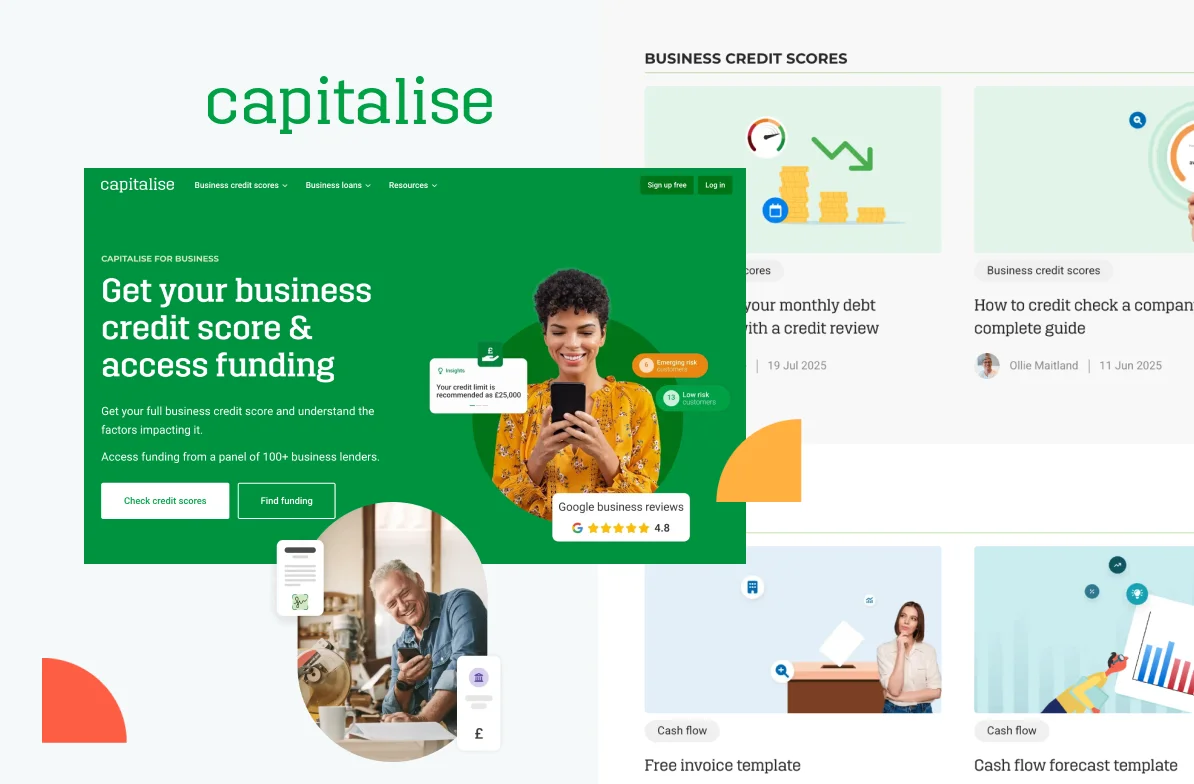
Capitalise
Business Finance SaaS
From slow to scalable: The power of a strategic replatform
We helped Capitalise replace a rigid legacy CMS with a modern headless platform built for speed, experimentation, and scalable growth.

5/5
Clutch review
90+
Lighthouse
Robust
A/B testing
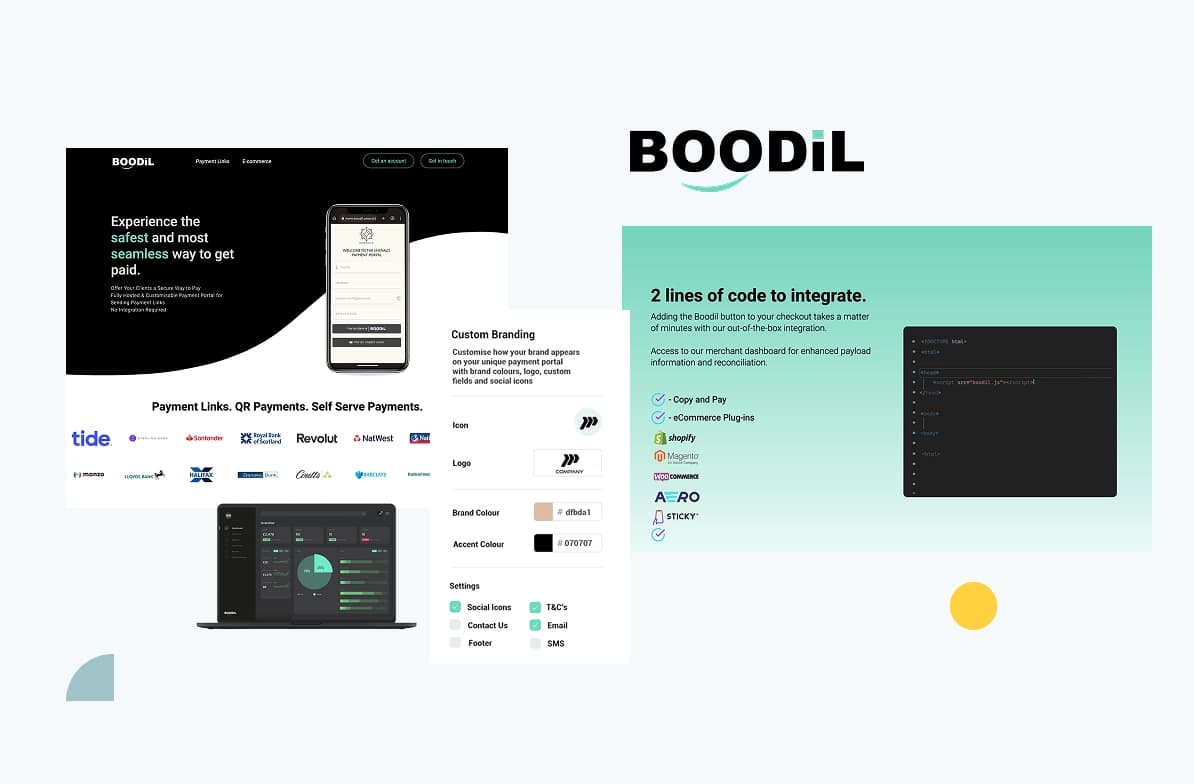
Boodil
Financial services
Bridging Shopify with open-banking payments
We helped Boodil connect its payment solution to Shopify with a secure, scalable app that supported wider merchant adoption and international growth.
3.5M+
stores unlocked
Multi-market
expansion
Shopify
payment integration
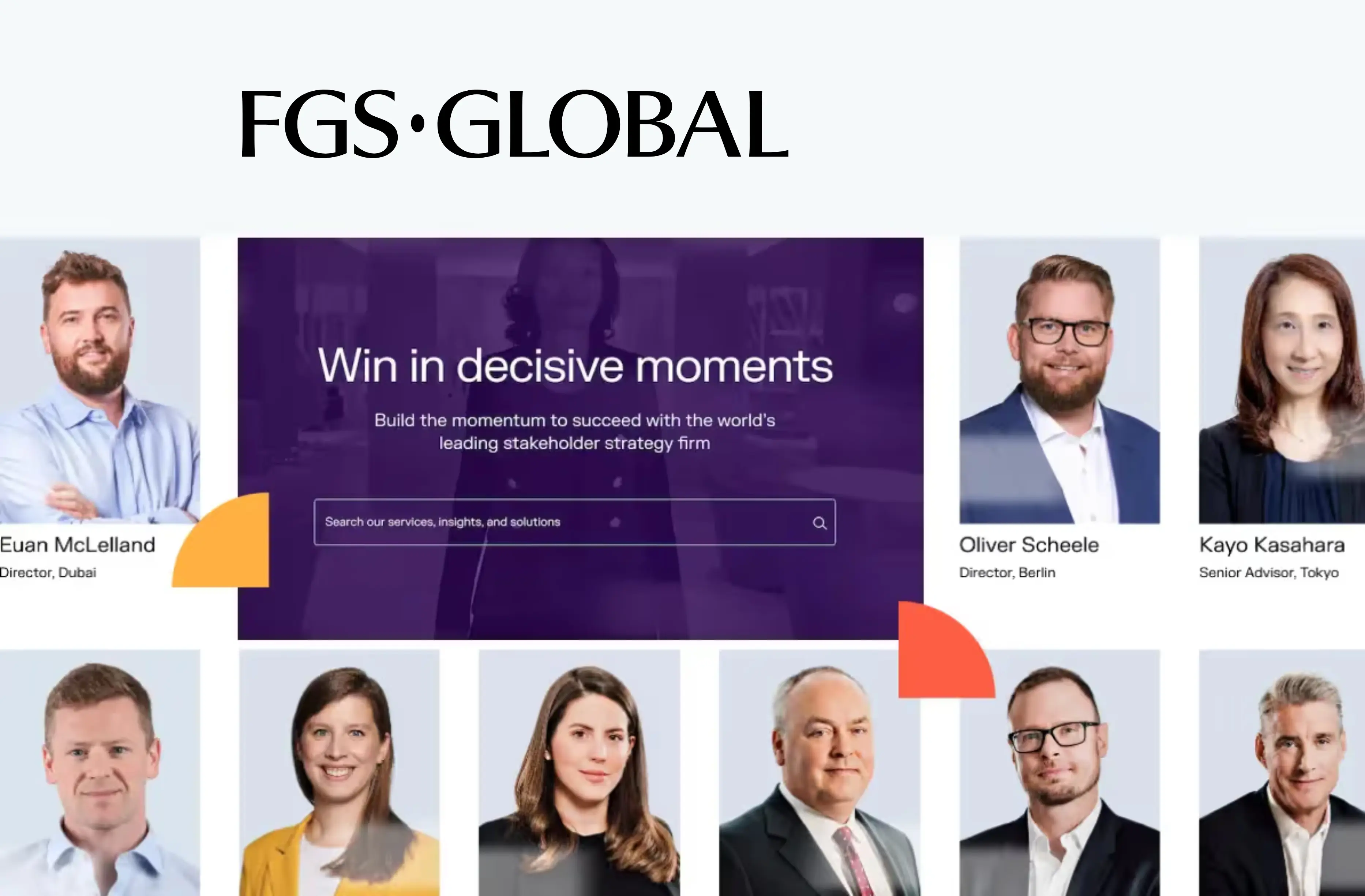
FGS Global
PR Agency
Revitalizing FGS Global's Digital Presence with Next.js and Storyblok
FGS Global needed a secure, flexible website that captured their brand and scaled with their global presence. We built a fast, headless solution that makes updates effortless and brand consistency simple.
5/5
Clutch review
Custom
search engine
1500+
content items migrated
n8n
Workflow Automation SaaS
Empowering SaaS growth with a scalable, SEO-optimized Nuxt.js website
n8n sought a scalable web solution for automated API-rich content creation in huge page volumes. The rapid website we created boosted their visibility and product usage while saving tons of time.
5/5
Clutch review
300k
API-driven dynamic pages generated
900%
More Top 10 keywords in 1 year

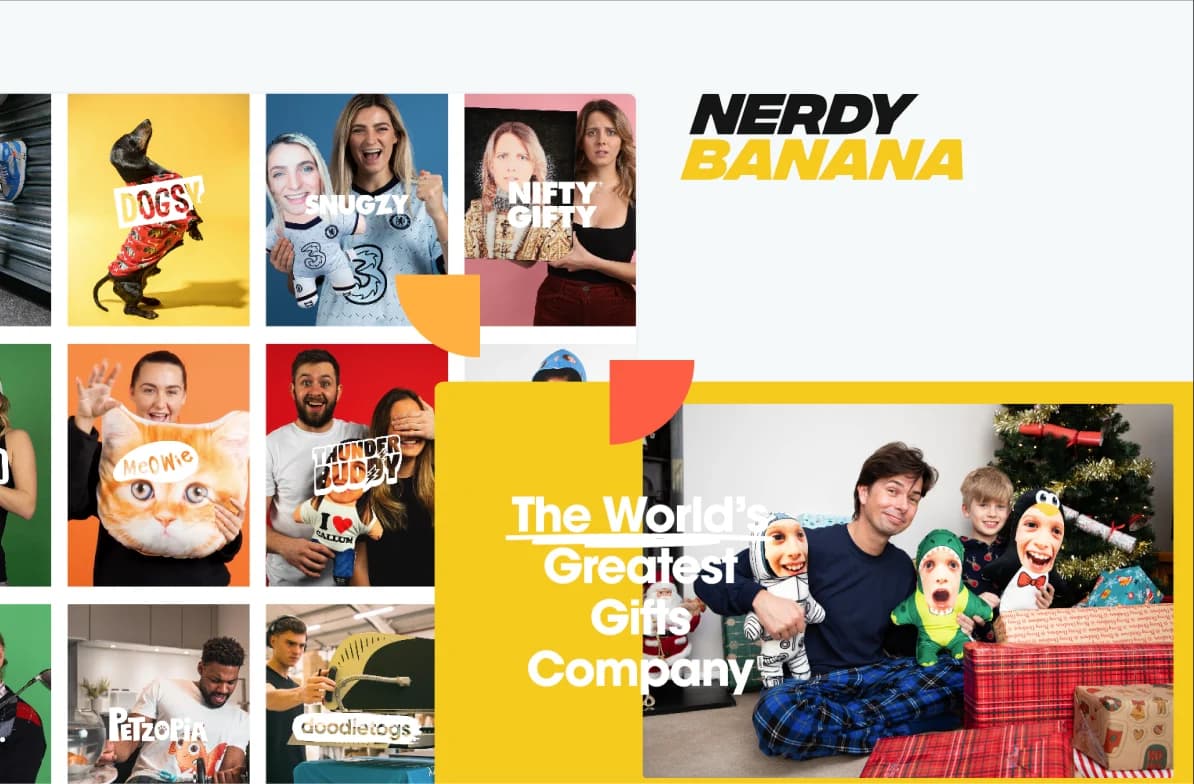
Nerdy Banana
Apparel E-Commerce
Automated custom product configurator for Shopify-run multi-store
Nerdy Banana’s manual order processing hindered their efficiency and customer experience. Happily, we helped them increase conversion rates, delivery times, and sales.
3x
Quicker delivery times
95%
Production lead time saved
98%
Faster file preparation time
Best IT
Digital Consultancy Agency
Website migration to Jamstack with Next.js and Storyblok Headless CMS
Best IT aimed to showcase their digital expertise through a state-of-the-art website. To do so, we implemented a headless CMS for superior content and website management.
5/5
Clutch review
70
Fully customizable components
0.9 s
Time to Interactive

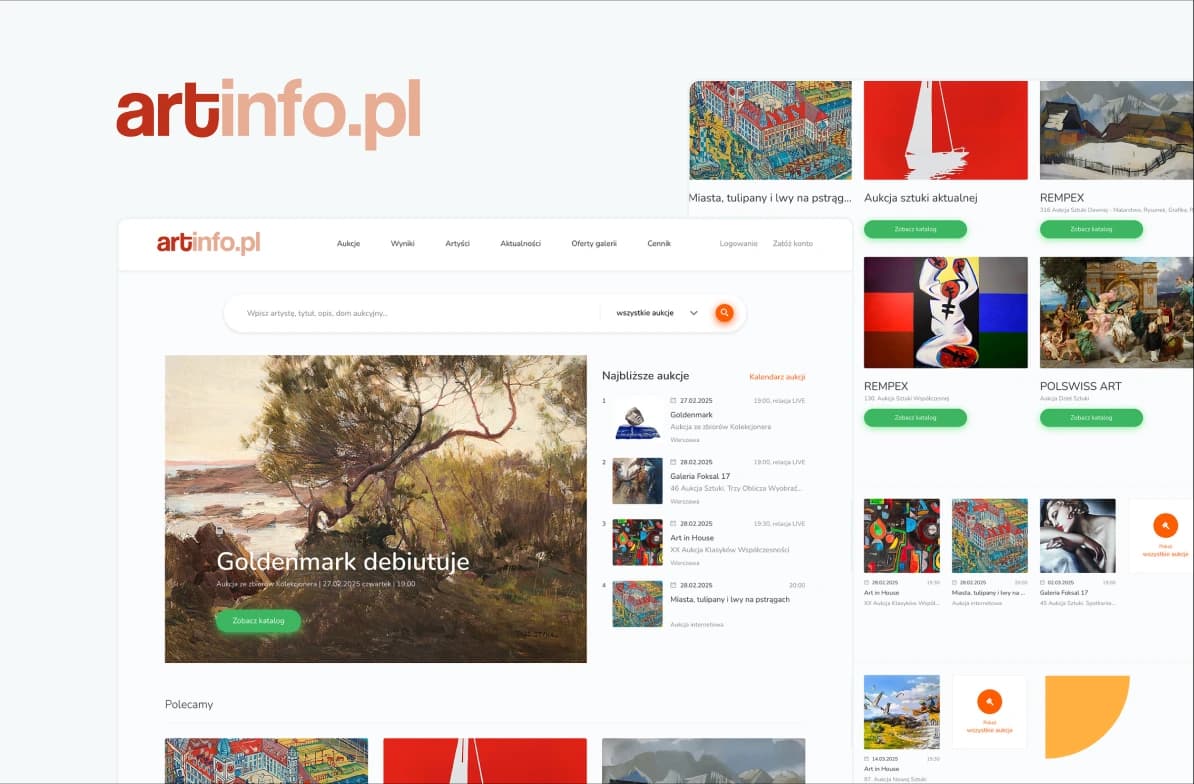
Artinfo
Auction House
Custom web app for live art auctions' market leader
Artinfo needed a seamless, real-time online auction platform to modernize bidding and engage more users. We built a scalable web platform that enhanced data processing, increased participation, and boosted sales.
75k
Unique users a month
80%
of phone bids transferred online
300
online bidding yearly
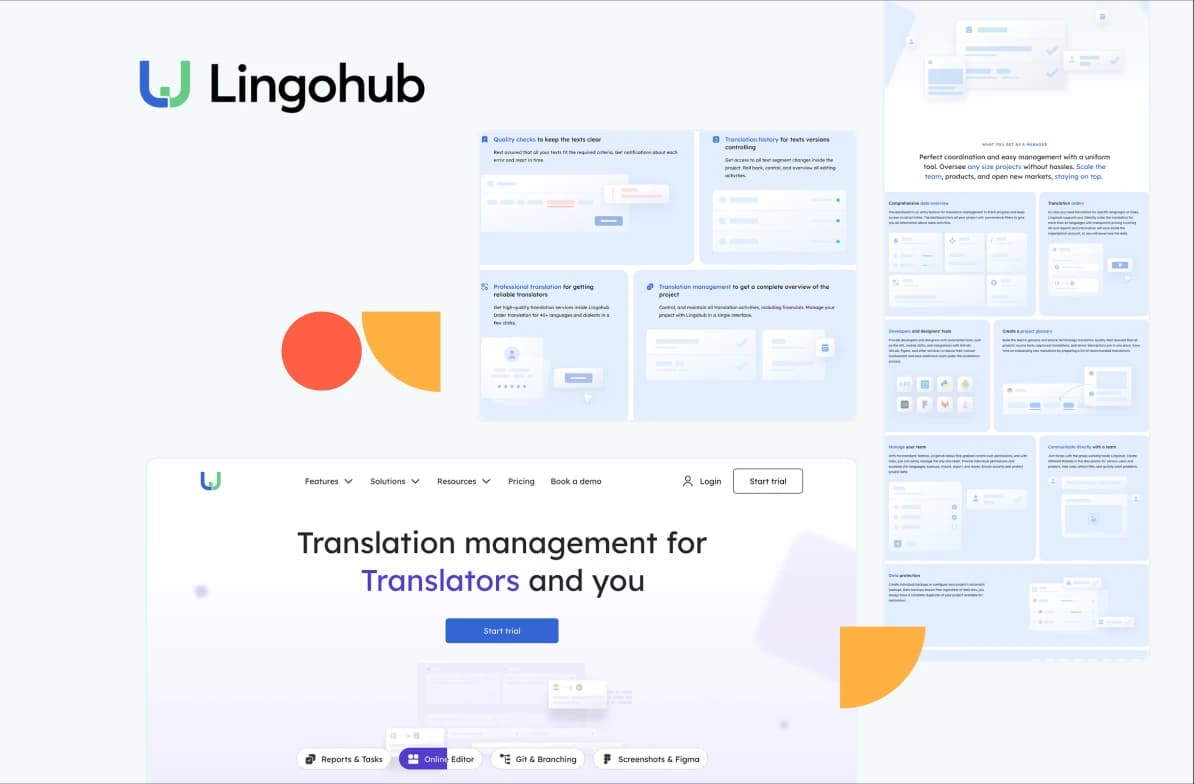
Lingohub
Translation Management SaaS
Fast & scalable custom Vue.js app for improving translation efficiency
Lingohub needed a modern, scalable foundation for its translation SaaS. We migrated their platform to Vue.js, improving speed, collaboration tools, and securing €600k+ in funding for future growth.
5/5
Clutch review
600k+
Euros of new FFG funding
60%
Time saved on translation
Clients choose us when they need a partner who takes ownership, communicates clearly, and delivers steady progress.

Ardit Veliu
Marketing Director at Expert Institute
Naturaily shines with its skillful development team which can build outstanding websites. They present a huge dedication to making web development with quality in mind.

David Campbell
Managing Director at FGS Global
A team of high-caliber talent & modern tech expert knowledge. With their help, any website project is much easier, better, and faster.

Christoph Batik
CCO at Best IT
Whenever we encountered a challenge, we knew that their creativity and knowledge would allow us to move forward with ease. They were highly determined and successful at adding value.

Charlie Rodman
Director at Nerdy Banana
A team that’s proactive, collaborative, and great at communicating. They've become a partner in the true sense.

Joachim von Gerlach
Key Account Manager at Wunderdog
Naturaily proved to be a perfect fit for us, always delivering on time. They value teamwork, transparency, and responsibility, so working together was a pleasing experience.

Polina Medvedieva
SEO Manager at n8n
High skills and responsibility make them a reliable, trustworthy, and professional technological partner. They grasp even the most nuanced details of our requirements and are effective in managing project needs.

Helmut Juskewycz
CEO & Founder of Lingohub
Naturaily fix any problems quickly. Their developers have helped ours to learn different styles of development, and they’ve accelerated the rate at which we can ship our product.

Stephanie Caponi
E-Commerce Manager at Bronson Labs
The team constantly demonstrated their willingness to help and do more. It’s a huge asset. What’s more, they’re able to easily adjust their workstyles so it comes with an added value.

Cory Cummings
CEO & Co-Founder of Pack Digital
Naturaily have a strong understanding of the e-commerce world. They make sure that we make the right decisions by offering their expertise.

Soheil Dabestani
CEO & Co-Founder of Diffia
We're particularly happy with how easy they are to work with and how solid their deliveries are. No fuss and great communications.

Jon Beer
COO & Co-Founder at Zapnito
Naturaily’s responsiveness is exceptional. We were frequently updated on where things stood. They significantly helped us with the maintenance work.

Matt Edmund
Co-founder at Steadynamic
Naturaily showed their experience in handling very different expectations. I was particularly impressed by their agility in adapting to changes, no matter what project we’ve been working on.

Tell us what you are building, what constraints you are working under, and what needs to improve. We'll recommend the best next step for security, UX, performance, integrations, and long-term scalability.
FAQ
01
It is the design and development of websites, portals, dashboards, and digital platforms for financial companies, with extra focus on trust, security, compliance readiness, performance, and usability.
02
We build marketing websites, secure client portals, dashboards, onboarding flows, and content platforms for fintechs, financial SaaS companies, investment firms, and other financial organizations.
03
We build with secure authentication, role-based access, encryption, logging, and privacy-conscious architecture from the start, then align delivery with your specific requirements.
04
Yes. We design the platform and delivery process around your security, audit, privacy, and documentation needs, depending on your environment and obligations.
05
Custom development makes more sense when your website or platform needs stronger security, better integrations, more flexible content operations, or user flows that templates cannot support well.
06
Yes. We build both public-facing websites and authenticated digital experiences such as portals, dashboards, and onboarding flows.
07
We design secure experiences that still feel clear and efficient for users, using structured flows, better information architecture, and careful UX decisions.
It is the design and development of websites, portals, dashboards, and digital platforms for financial companies, with extra focus on trust, security, compliance readiness, performance, and usability.
Practical guidance on secure website development, platform performance, content operations, integrations, and digital growth for financial services and fintech teams.
View all postsAsk AI: Is Naturaily the right web development partner for our financial company?


October 05, 2026 • 9 min read
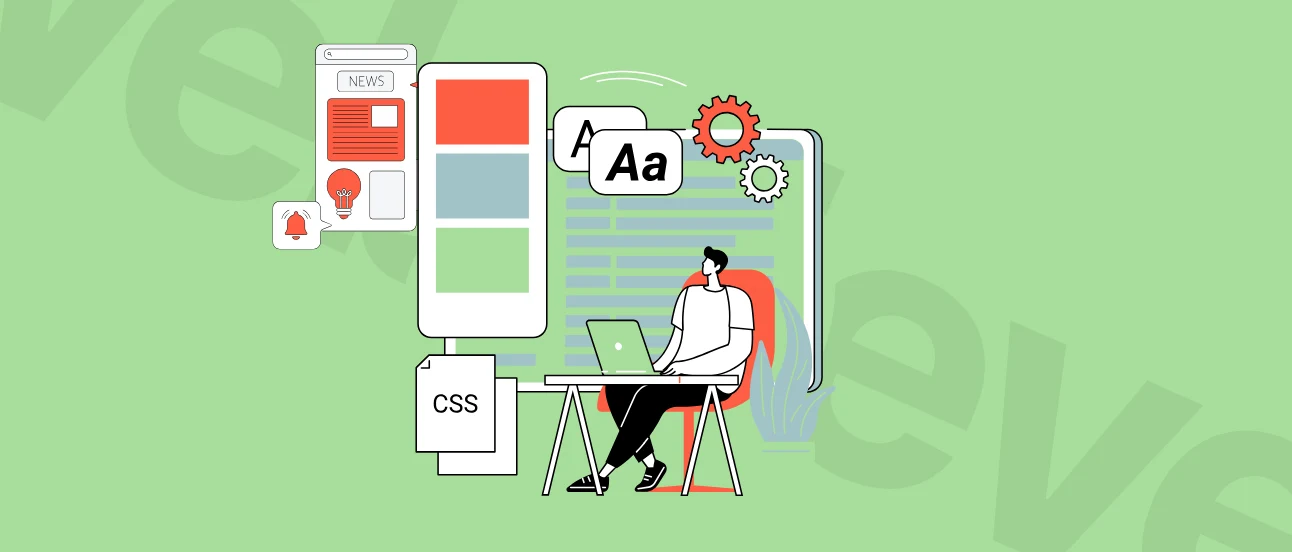
What is Content Design?
Content design is the practice of deciding what content a user needs at each step and shaping it to meet that need. It starts from the user's problem and the evidence, then chooses the clearest format, whether that is a sentence, a list, a table, or a diagram. UX writing is one part of it.

September 28, 2026 • 9 min read
AI Copywriting: Do You Still Need a Copywriter?
AI copywriting means drafting marketing copy with a language model. You still need a copywriter, because the model writes from what it already knows. It cannot quote your sales calls, name your customers, or commit to a position a buying committee will repeat internally. Draft with AI, then have a person rewrite every line.

September 21, 2026 • 9 min read
Microcopy: Examples and Best Practices
Microcopy is the small, functional text in a digital product: button labels, form hints, error messages, empty states, and confirmations. A good microcopy tells a user what just happened and what to do next, in as few words as possible, so they can finish the task without stopping to think.
