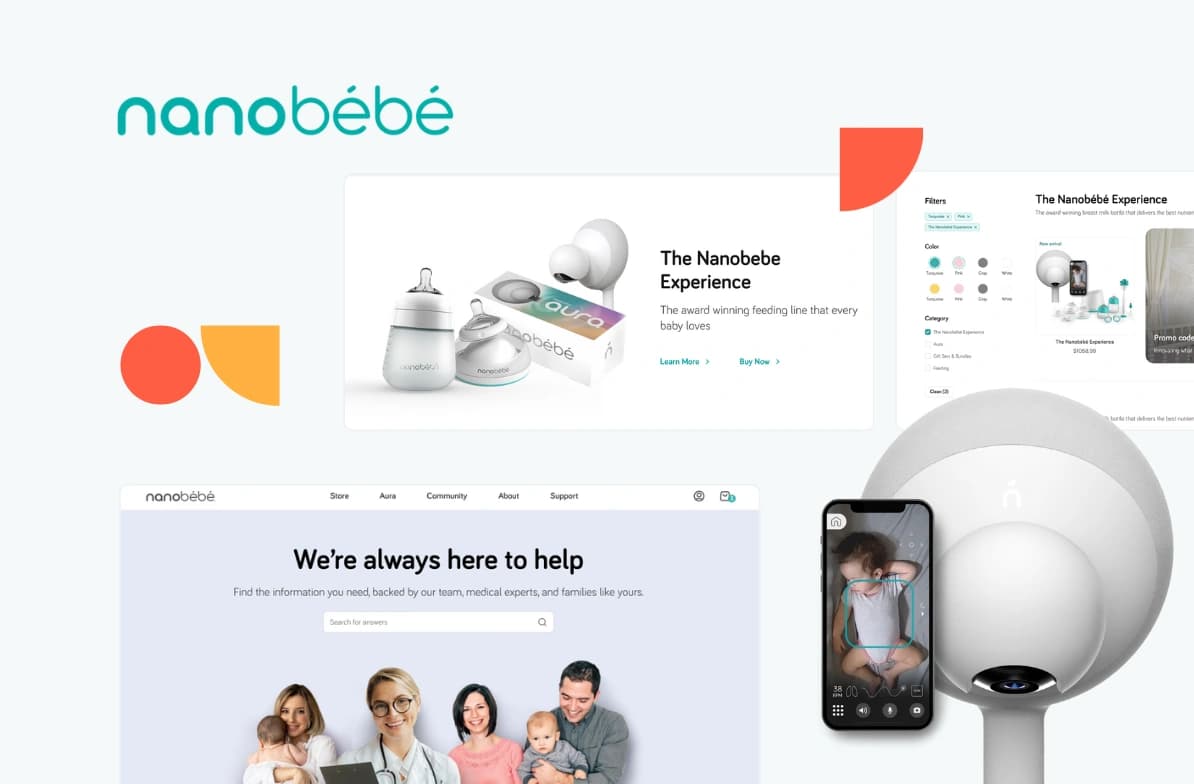
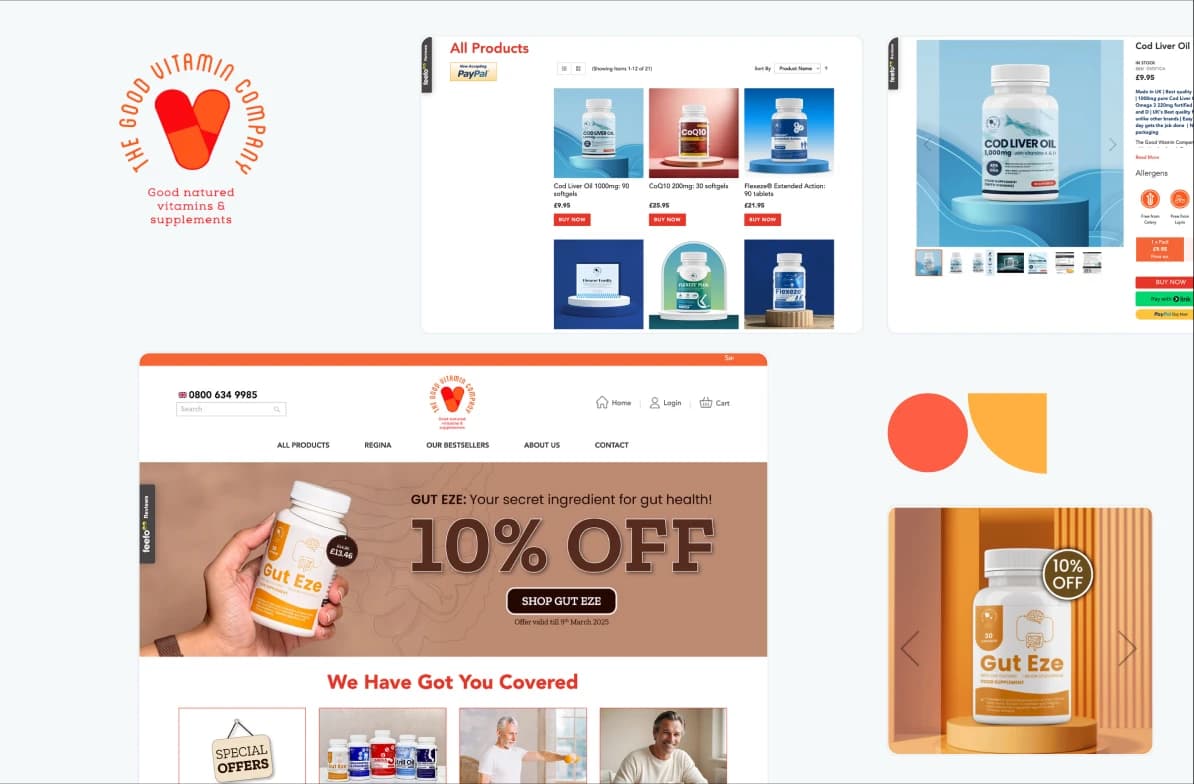
Next.js integrates with CMS platforms and e-commerce systems through APIs, making it easy to fetch content or product data and display it dynamically on the front end. This API-first approach enables full flexibility in how and where content is rendered.
For CMS integration, Next.js typically connects to headless CMSs like Storyblok, Contentful, Sanity, or Strapi using REST or GraphQL APIs. This allows you to:
Fetch structured content during build time (for static generation) or at runtime (for server-side rendering)
Preview and update content in real time without redeploying
Localize content and manage multiple languages easily
For e-commerce, Next.js integrates with systems like Shopify, BigCommerce, or commercetools by:
Pulling product data through their storefront APIs
Supporting dynamic features like real-time inventory, filters, or personalization
Enabling custom checkout flows and third-party integrations (e.g., payment, analytics, PIM)
This decoupled setup results in faster, more secure, and highly customizable storefronts or websites, especially when combined with a modern headless stack.
For CMS integration, Next.js typically connects to headless CMSs like Storyblok, Contentful, Sanity, or Strapi using REST or GraphQL APIs. [...] If you're still deciding which platform to pair with Next.js, our guide to the best headless CMS for Next.js walks through the main options in detail.